
Renata Bardazzi
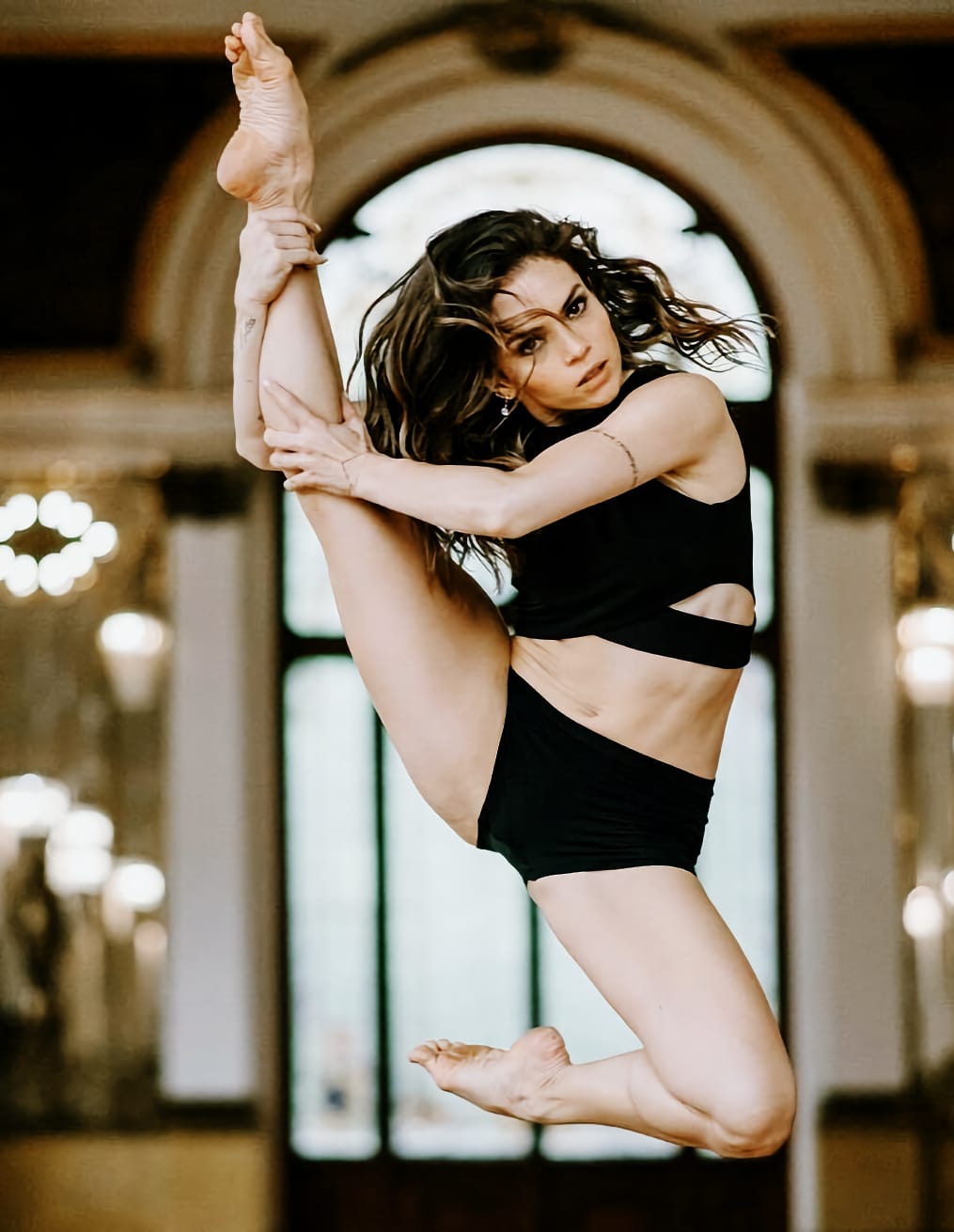
High arched feet ballerina Renata Alves Barreto Bardazzi Gonçalves, known as Renata Bardazzi, has been a professional dancer since 2005. She…


Mogi das Cruzes, Age Five, a Ballet Barre
Renata Bardazzi was born in Mogi das Cruzes, in the interior of São Paulo state, and started dancing at a small local school — Regina Ballet — at five years old. That detail matters. Not São Paulo city. Not a prestigious academy with intake auditions and waiting lists. A small school in a mid-sized inland town, the kind of place where a child either falls in love with the discipline early or never comes back. Renata Alves Barreto Bardazzi Gonçalves came back. Every day, for decades.
By 1999, aged fourteen, she had moved on to Studio Marcia Belarmino in Suzano — already demonstrating the quiet ambition that would come to define her trajectory. The jump from a local school to a proper studio at that age, in that region, is not a small step. It is a decision with consequences.
Renata-Bardazzi-Ballet-Feet
Dresden, Then Back
Her training took her to the Palucca Hochschule für Tanz Dresden — a school with a distinct identity, built on equal weight given to ballet, contemporary, and improvisation. For a Brazilian dancer in that context, at that level of European training, the experience is formative in ways that show up later in how a body moves. Not just technically. In how it carries itself between movements.
Back in Brazil in 2005, she received an invitation from Hulda Bittencourt to join the cast of Cisne Negro Cia de Dança. She remained with the company until 2008, working with choreographers including Itzik Galili, Patrick Delcroix, and Denise Namura. These are not minor names. Galili in particular is a choreographer who pushes contemporary bodies hard — technically demanding, physically specific. A dancer who comes through that repertoire has been tested.
In 2008, she joined the São Paulo Companhia de Dança, where she danced works by George Balanchine, Nacho Duato, Jiří Kylián, Alessio Silvestrin, Henrique Rodovalho, and Bronislava Nijinska, among others. The breadth of that list is worth a second look. Balanchine to Kylián is a wide range — neoclassical precision on one end, deeply physical European contemporary on the other. Renata Bardazzi danced both.
In December 2011, she received the invitation to join the Balé da Cidade de São Paulo — the company resident at the Theatro Municipal, one of the most important stages in Latin America. That is where she has built the long chapter of her career.
2,500 Students and a Method
A dancer with sixteen years of professional experience at the City of São Paulo Ballet, Renata Bardazzi created Body Dance Progress — an online progressive dance method that has already transformed over 1,500 students. By her own TikTok presence, that number has since grown to over 2,500 enrolled students.
The logic of Body Dance Progress is straightforward but not obvious: take the movement vocabulary of classical and contemporary ballet and make it physically functional for women who are not professional dancers. In her own words: "My dance is for all women who want to transform their bodies. It is for women who have never danced, women who have danced and are still, and women who already dance professionally." That range — complete beginner to working professional — is ambitious. It holds because Bardazzi's own training is deep enough to translate across that span without flattening the material.
Her Instagram presence — 129,000 followers, nearly 5,800 posts — carries the dual identity: bailarina at the Theatro Municipal and creator of the Body Dance Progress methodology. These are not separate projects running in parallel. Each informs the other. The stage work keeps the technical standard honest. The method keeps her teaching instinct sharp.
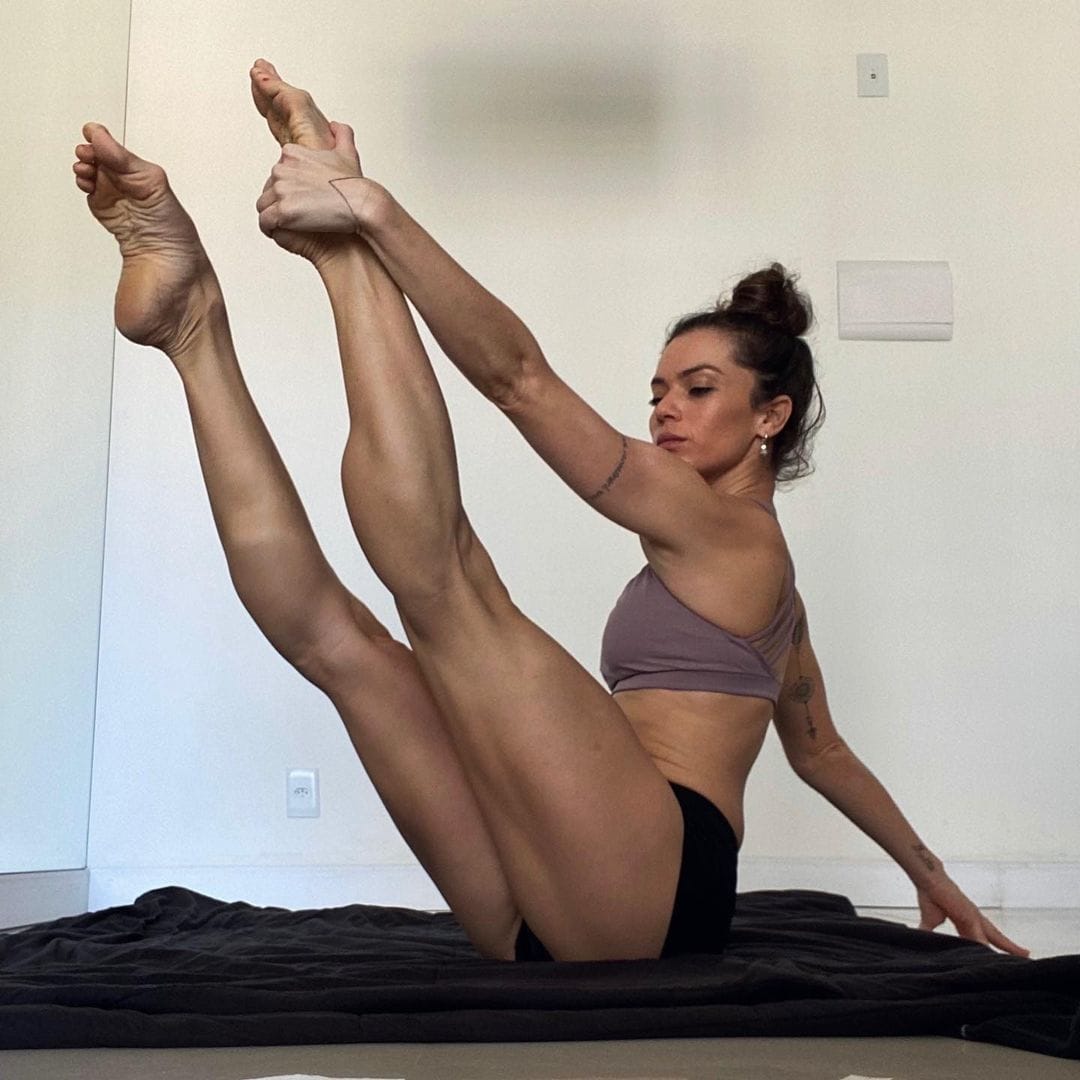
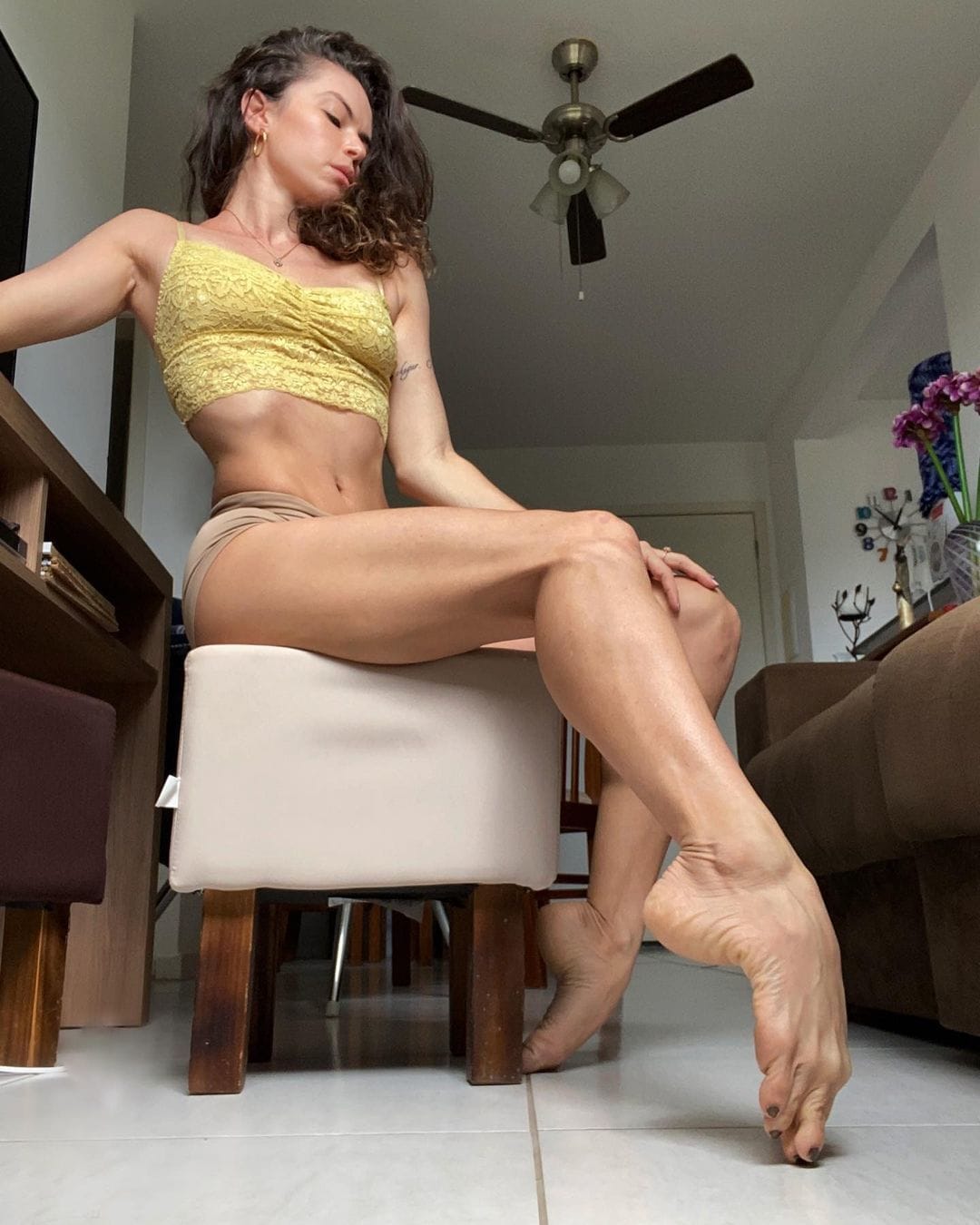
Renata-Bardazzi-Ballet-Feet
Where the Instep Meets the Floor
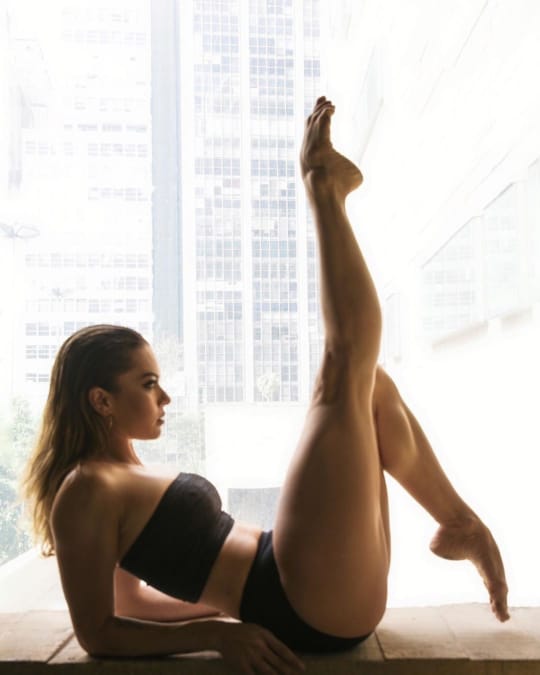
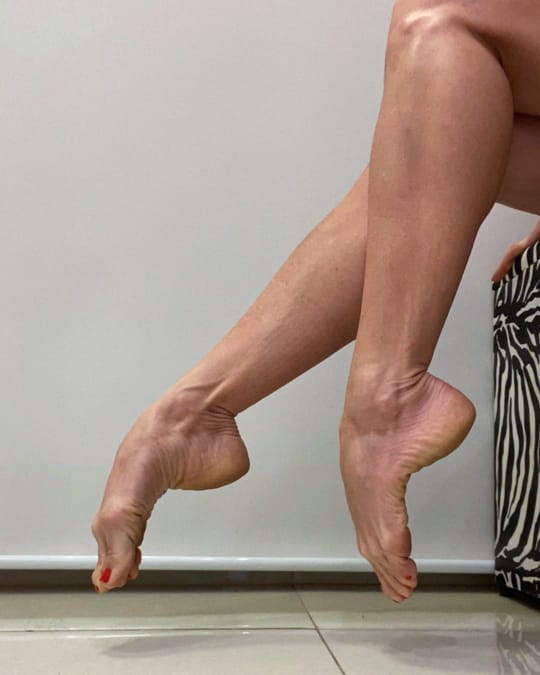
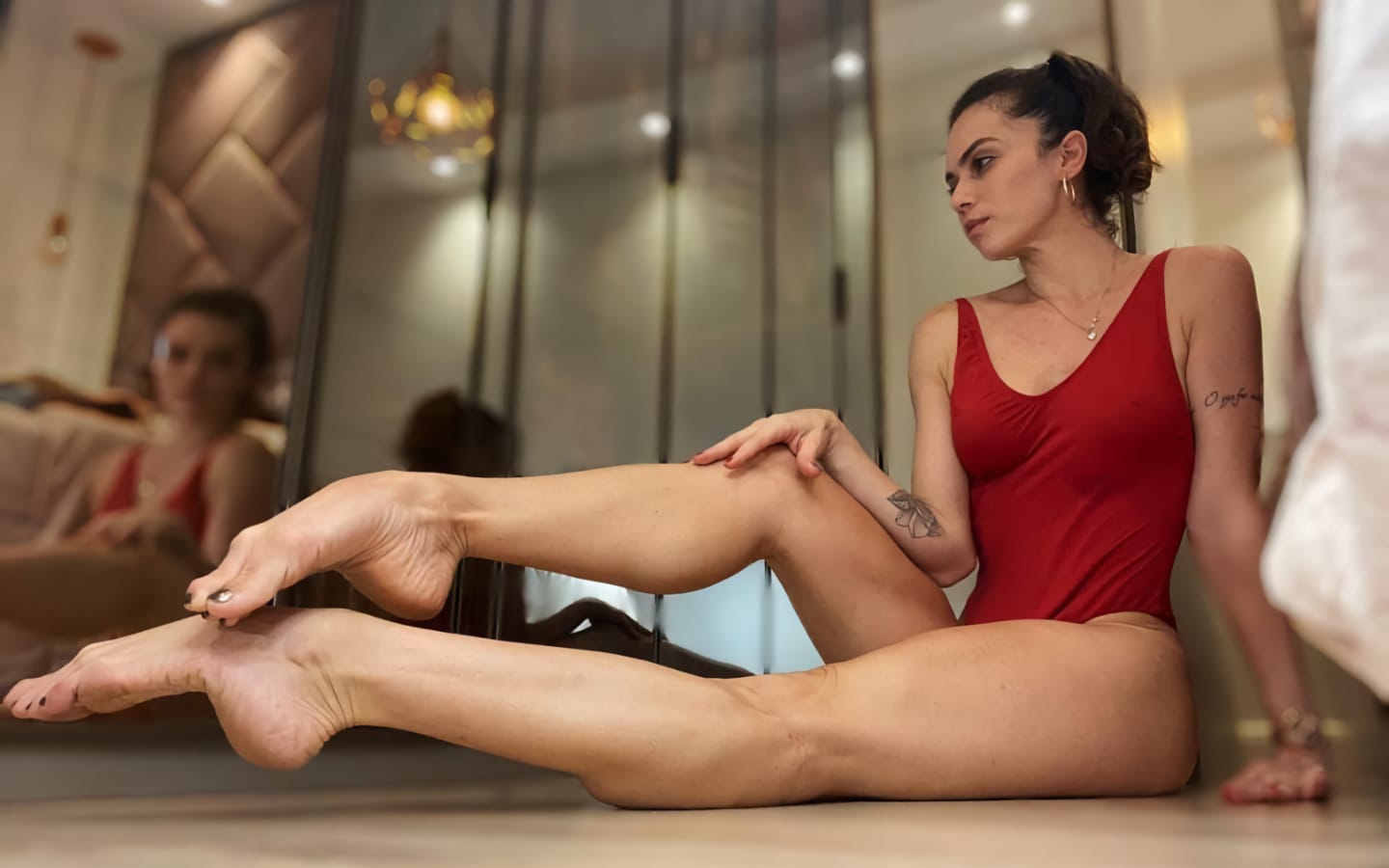
This is where those years of training accumulate into something visible. Renata Bardazzi's feet read as naturally arched — not the extreme hypermobile pied cambré that looks spectacular in a photograph but demands constant management under load, but something more measured and, in motion, more consistently beautiful.
The arch sits in that particular range that the niche calls workable elegance: present at rest, pronounced under tension, and never strained-looking. When the foot is at ease — weight distributed, standing parallel — the midfoot already lifts away from the surface. There is space there, a clear gap, before you even ask anything of the foot. That is a natural arch. It is not stretched into shape. It lives there.
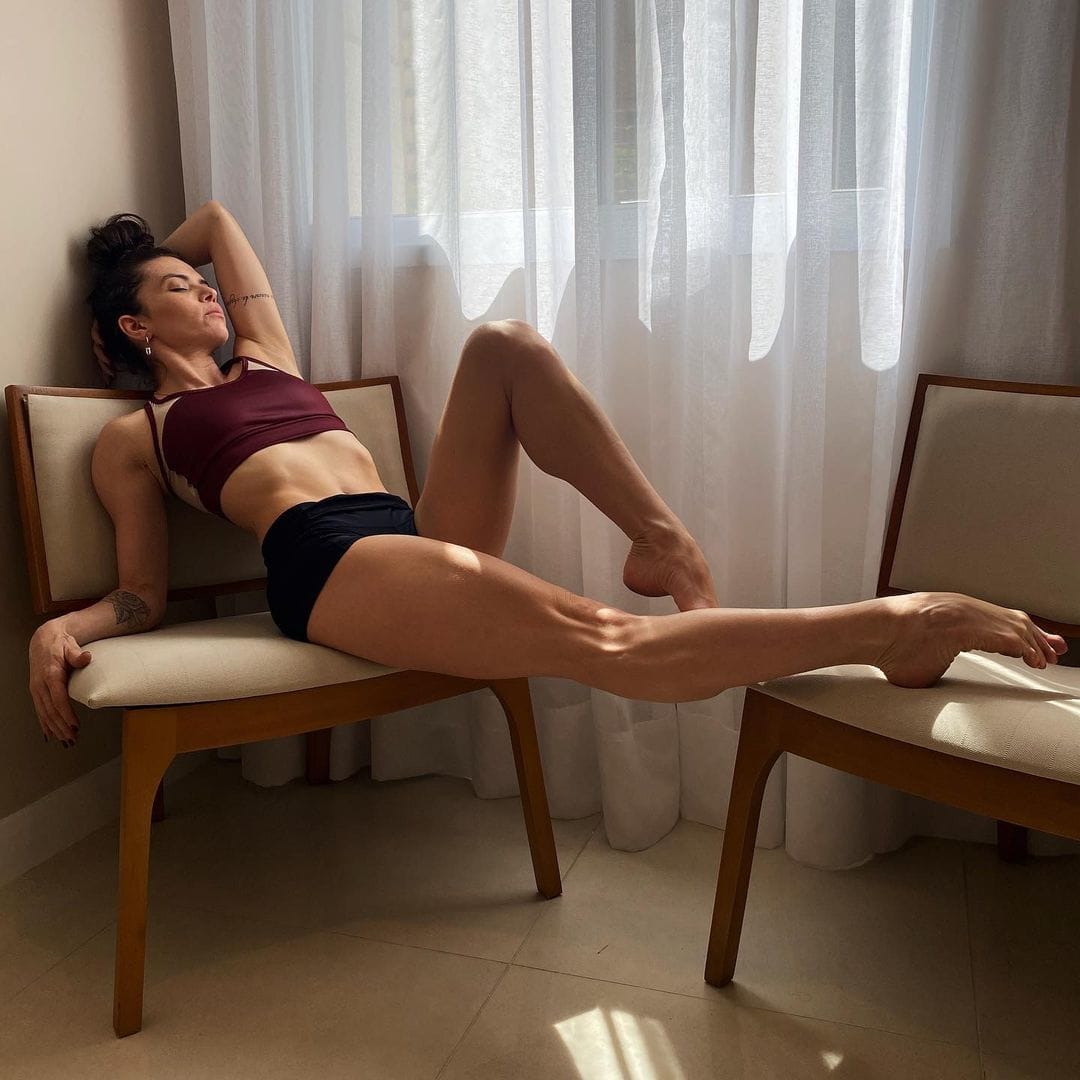
In relevé or any upward transition, the instep rises with a long, unhurried curve. What you watch is the way the top of the foot organises itself — the line from ankle to toe doesn't break, doesn't buckle at the metatarsal. It continues. That continuity, through the full range of plantar flexion trained into a professional dancer over decades, is what makes a high arched foot compelling to observe in motion rather than just at rest.
The forefoot on Renata Bardazzi is proportionally wider relative to where the arch pulls the midfoot inward. That contrast — broad at the toes, drawn in at the waist of the foot — is part of what gives the arch its visual emphasis. The silhouette tapers and then expands again, and the gap between shoe and foot in open footwear is the evidence of that. In a low sandal or a canvas split-sole, you can read the full architecture of it.
Skin tone is warm and even. The feet are looked after without being theatrical about it — working dancer's feet, not decorative ones. In barefoot rehearsal footage, the overall line is long and the toes are moderate in length, graduating cleanly, which extends the visual line rather than interrupting it.
At rest, the arch is quiet but present. Under work — the opening of an arabesque, the push through a jump, the peel of a tendu — it speaks more clearly. That is the tell of a genuinely high arched foot. It doesn't need to perform. It just does more when asked to.
The Company Stage
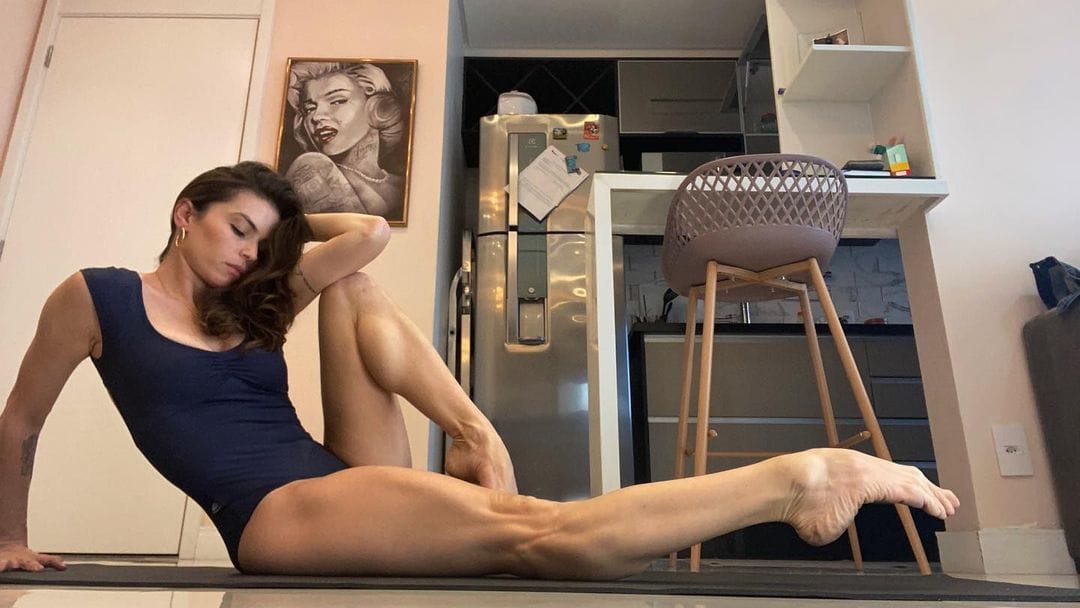
Renata Bardazzi has been part of several professional companies in Brazil and Europe — Cisne Negro, São Paulo Dance Company, and now the São Paulo City Ballet. The accumulation of that career, across multiple movement languages and choreographic traditions, is not background noise. It is the architecture beneath everything she does now — both on the Theatro Municipal stage and in front of a camera for Body Dance Progress.
There are Brazilian dancers who build their careers inside one aesthetic, one company, one city's idea of what dance is. Bardazzi moved — geographically, stylistically, institutionally — and came back to São Paulo with something broader. That breadth shows in how she teaches. It also shows in how she moves. And for anyone paying close attention to the detail of a dancer's feet in photographs and video — the foot arch mid-développé, the instep caught in profile in open studio footwear — it shows there too.
niche by definition.
Behind this archive is a private community of collectors
and enthusiasts who know that.
If high arched feet brought you here —