
Anna Zolotarenko
Anna was born in 1983 in Moscow, however, the citizenship she received is Ukrainian to this day, so, the sexy feet beauty is Ukrainian, though…


Born in Moscow, Rooted in Kadiivka
Анна Золотаренко — Anna Zolotarenko — arrived in the world in Moscow in 1983, her roots running back to Kadiivka, the small Ukrainian city once known as Stakhanov in the Luhansk region. That dual geography — a Soviet-era industrial heartland crossed with a Moscow birth — tells you something about the generation she belongs to: women who came of age across a crumbling empire and built careers in whatever space that rupture opened up. She carries 53 kg on a frame that photographs lean and controlled, the kind of build where proportion is the whole story.
Born on 19 December 1983 in Ukraine, she went on to work as an actress and model, operating under the stage name Priscilla in the adult entertainment industry — a name well-documented in Russian-language fan communities and international databases alike. She is identified in Russian social media records as Priscilla, aka Anna Zolotarenko. The name Золотаренко itself is distinctly Ukrainian — zoloto, gold, arenko a suffix of descent — and it sits oddly poetic for someone whose public image is so precisely calibrated around physical appearance.


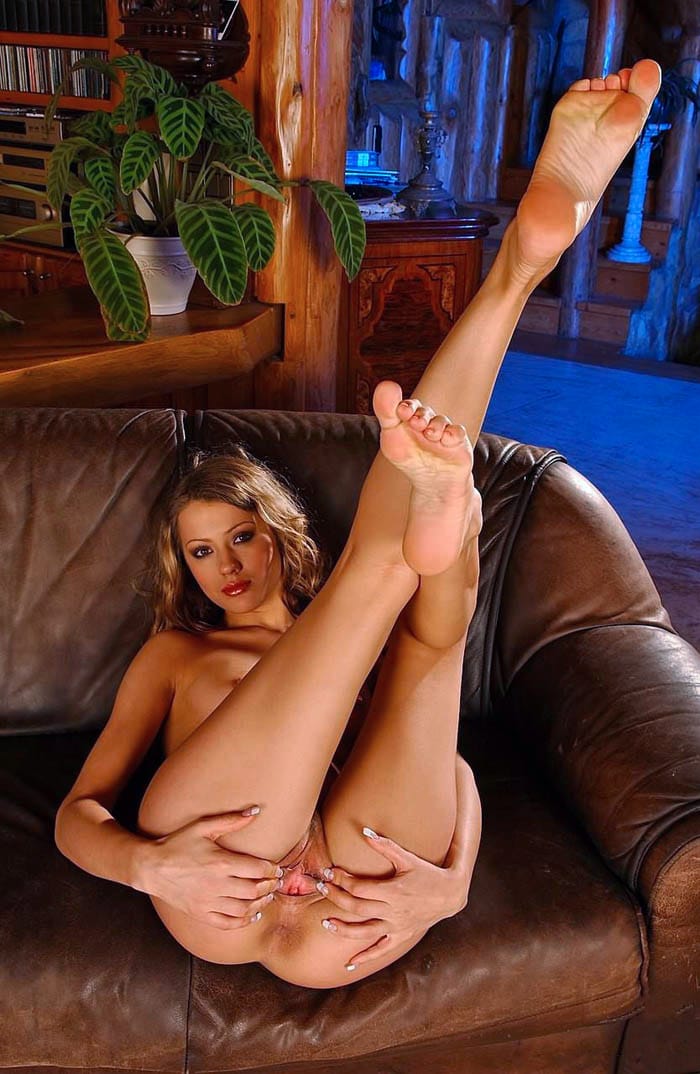
Anna-Gold-Feet
What the Camera Found
Her career placed her in front of the camera during a period — roughly the mid-2000s through the 2010s — when Eastern European models dominated international adult content production. The aesthetic of that era rewarded exactness: precise features, controlled physicality, and the kind of composed stillness that reads well both in stills and on video. Anna Zolotarenko delivered all of it. At 53 kg, her build was never about volume. It was about line. And line, in this context, starts at the foot and works upward.
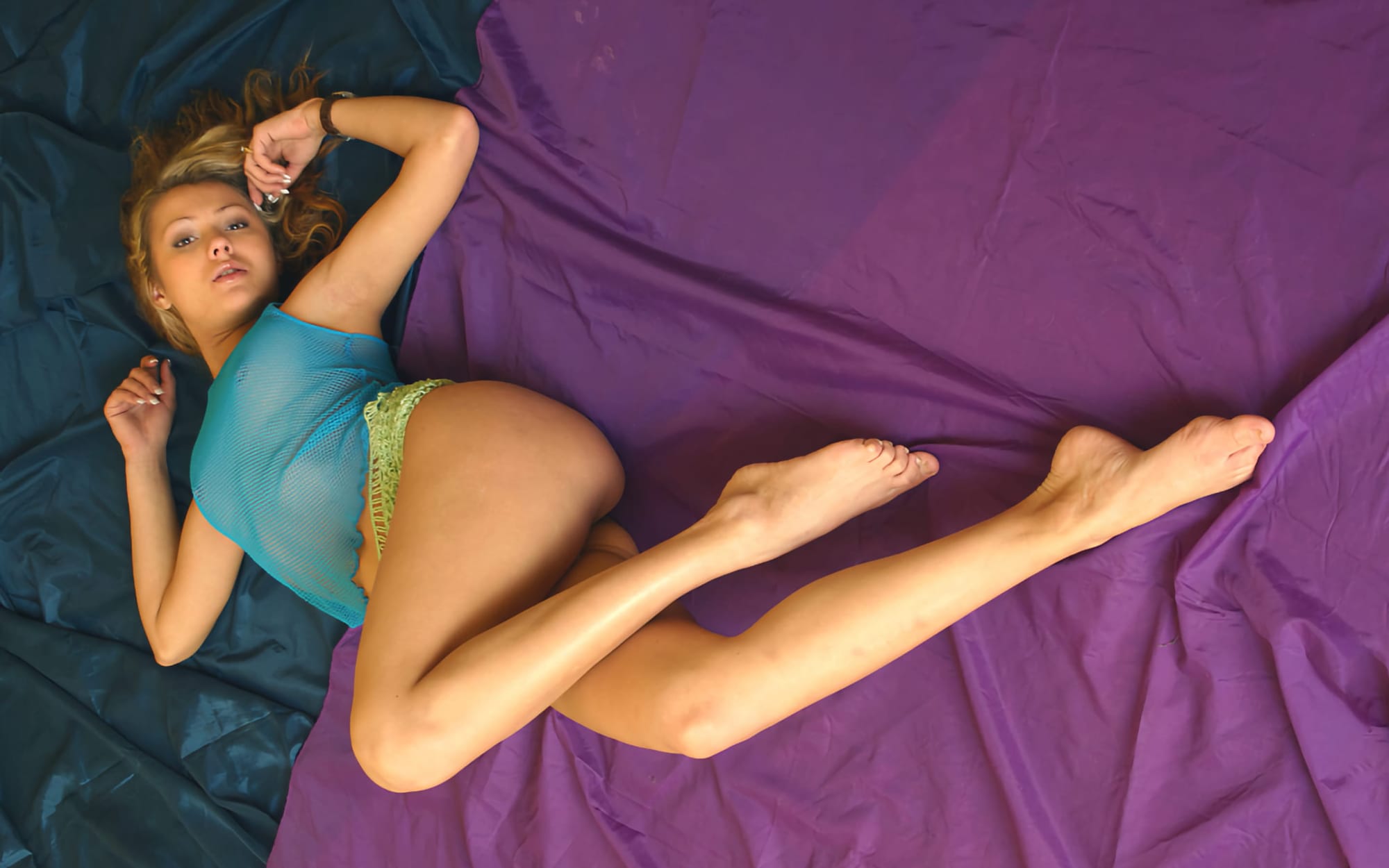
Arch in a Shoe That Barely Touches the Ground
EU 38 / US 7 — not an unusual size, but on a 53 kg frame, it means the foot is proportionally compact and the arch, when present, concentrates its curve into a short horizontal distance. That compression is what makes moderate arches on smaller feet look so geometrically decisive. There is less foot to distribute the curve across, so what is there reads sharp.
In barefoot shots and open-sandal compositions, the kavum pedis — the gap — is visible and clear. When Anna stands flat, the arch lifts away from the surface with the quiet insistence of something structural rather than performative. It does not demand attention the way an extreme pes cavus does; it earns it through proportion. The forefoot spreads to its natural width and then the foot pulls inward with genuine speed — not gradually, not apologetically. That transition, from the ball of the foot to the narrowest point of the arch, happens in a distance that looks almost architectural when the light catches it from the side.
The instep is where EU 38 arches tend to either commit or dissolve. On Anna Zolotarenko, it commits. In flexion — foot pointed, heel raised, weight shifted forward onto the toes — the instep rises with a clean, unbroken line. There is no soft interruption in that curve, no middle point where the tension goes slack. The skin pulls evenly across the top of the foot and the whole structure becomes a single drawn line from ankle to toe.
At rest, lying flat or placed against a surface, the foot relaxes without losing its character. The arch does not collapse to the ground. Even in an unweighted position the gap between the inner edge of the foot and any flat surface it touches remains visible — not dramatic, not theatrical, just present. That is exactly the quality that separates a genuine structural arch from the kind that only shows up under heel elevation.
The toes are proportional — not especially long, not tapered to severity — and the overall silhouette of the foot in extension reads as balanced. The second toe sits close to the first, the forefoot width is consistent with the size, and the whole foot in profile has the kind of compact authority that a well-fitted heel makes legible immediately. When she wears open heels in shoots — and there is material where she does — the gap between shoe sole and arch is visible even from a distance. The heel cup holds, the arch floats, and the foot functions as a structural element in the image whether the photographer intended it or not.
Skin tone in available material appears even, maintained without obvious intervention. One passing detail: the feet in archival shoots look cared for — not manicured to excess, but consistently clean and attended to, which matters when the camera is close.
much deeper than this page.
Videos · full galleries · member threads